
Skip to content

Our Proven Process for Better Building Performance
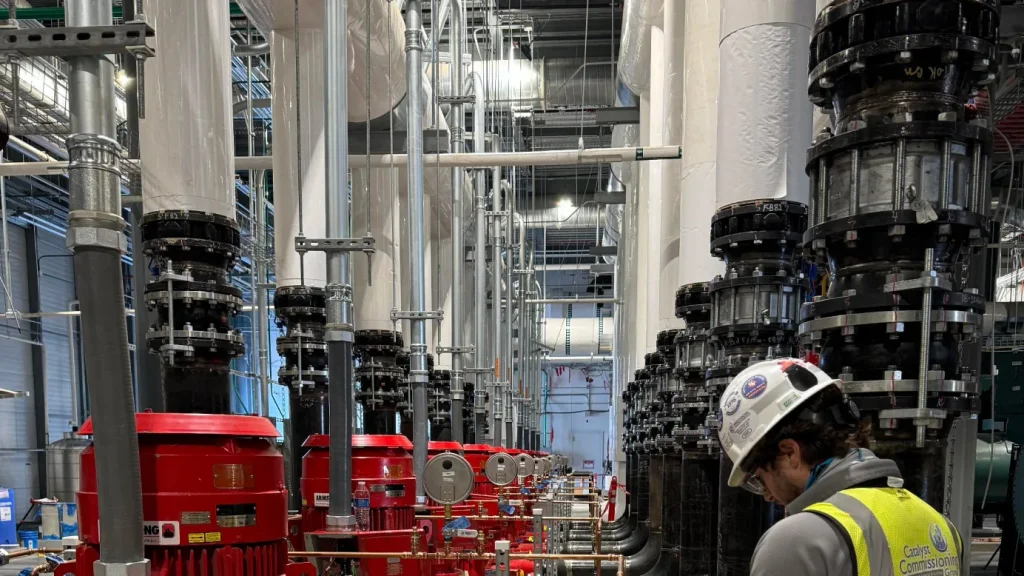
Engineer inspecting rows of pumps and piping in a central plant

Successful commissioning doesn’t happen by chance. It requires a structured process, technical expertise and hands-on collaboration from concept through occupancy. While every project is different and may not require every step, our proven process helps keep projects aligned, systems performing and owners protected every step of the way.

  1. Stage 1: Establish Priorities and Alignment

    Every project begins by understanding what success means to each stakeholder, then facilitating alignment toward compatible goals.

    Learn More +: Stage 1: Establish Priorities and Alignment
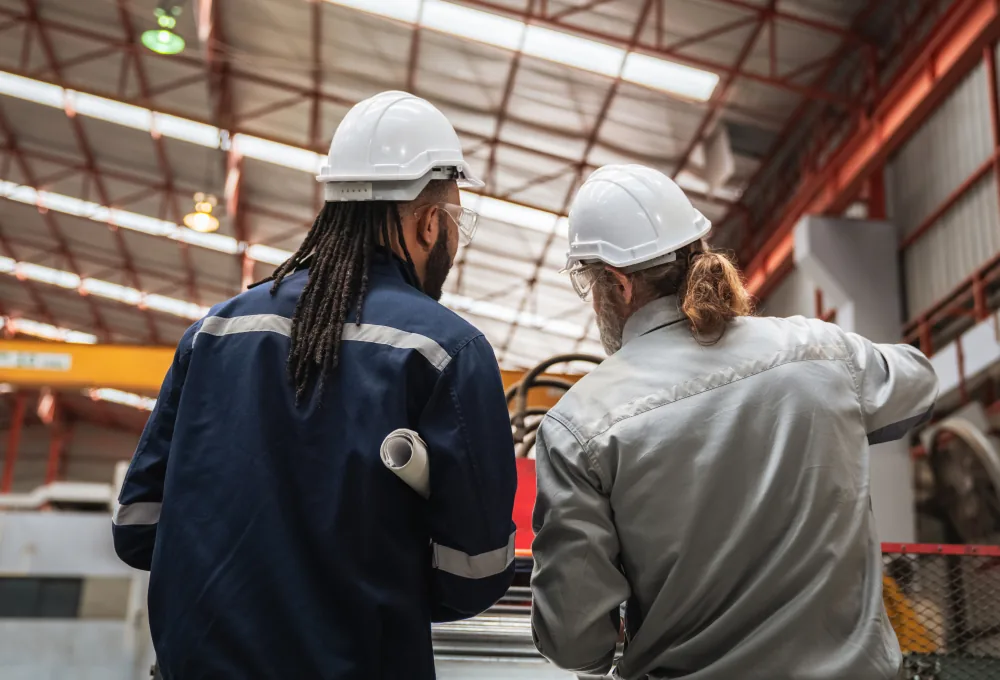
    Two project team members in hard hats discussing priorities inside a warehouse under construction
  2. Stage 2: Design Review and Optimization Opportunities

    Comprehensive design reviews identify potential problems when corrections require only drawing revisions, not expensive field rework.

    Learn More +: Stage 2: Design Review and Optimization Opportunities
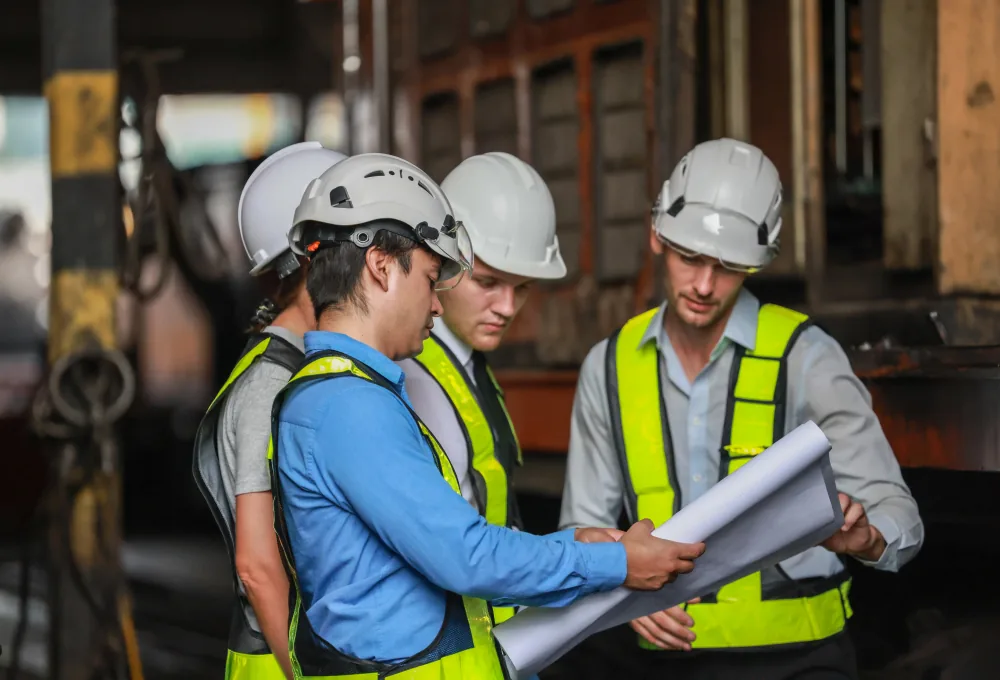
    Project team in hard hats reviewing drawings together on site
  3. Stage 3: Hands-On Field Presence

    We're not desktop reviewers. We're in the field working alongside designers, manufacturers, fabricators, integrators, contractors, and operators at critical project stages.

    Learn More +: Stage 3: Hands-On Field Presence
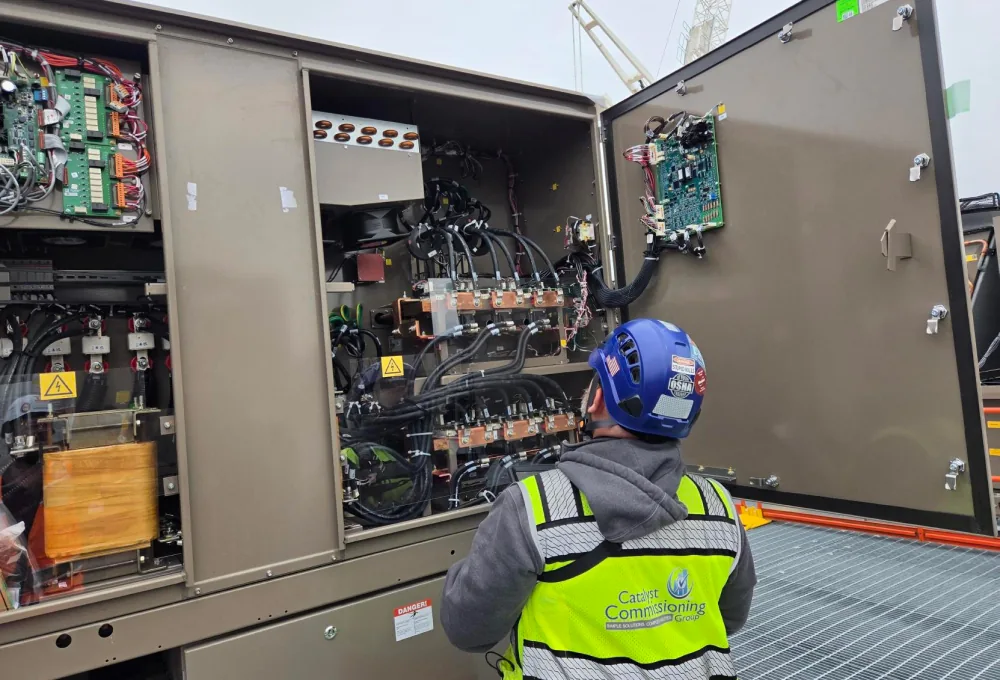
    Technician in a hard hat examining the wiring of an open equipment control cabinet
  4. Stage 4: Quality Control Through Construction

    Routine site visits and inspections focus on installation quality, construction schedule, with maintenance accessibility and long-term reliability in mind.

    Learn More +: Stage 4: Quality Control Through Construction
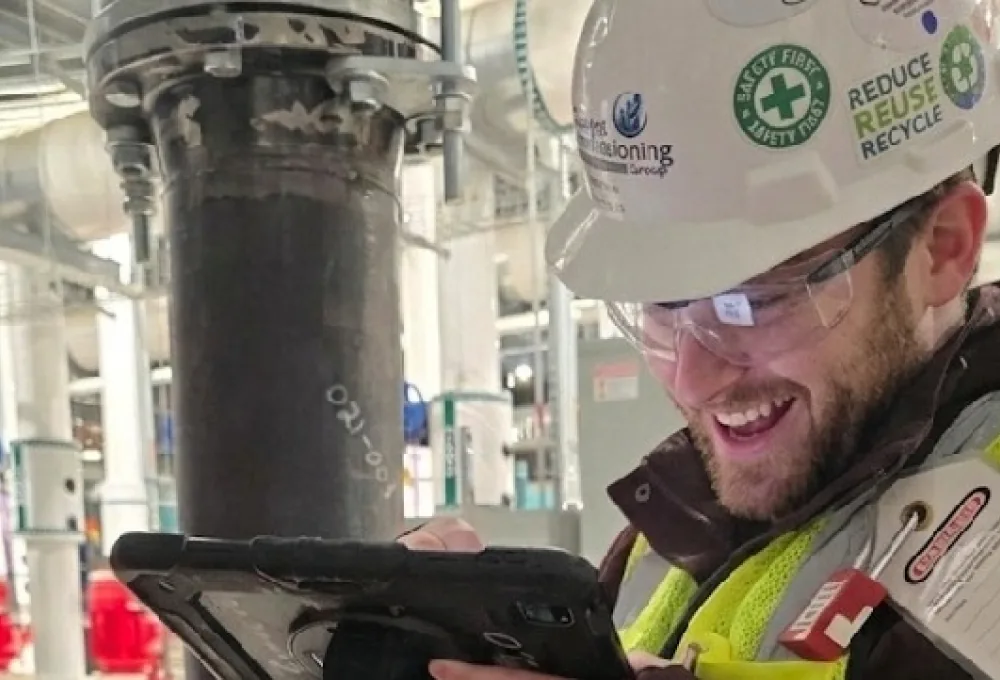
    Smiling engineer with a tablet inspecting piping installation during construction
  5. Stage 5: Comprehensive Functional Testing

    The heart of commissioning. Systematic verification that equipment and systems perform as designed under all operating conditions.

    Learn More +: Stage 5: Comprehensive Functional Testing
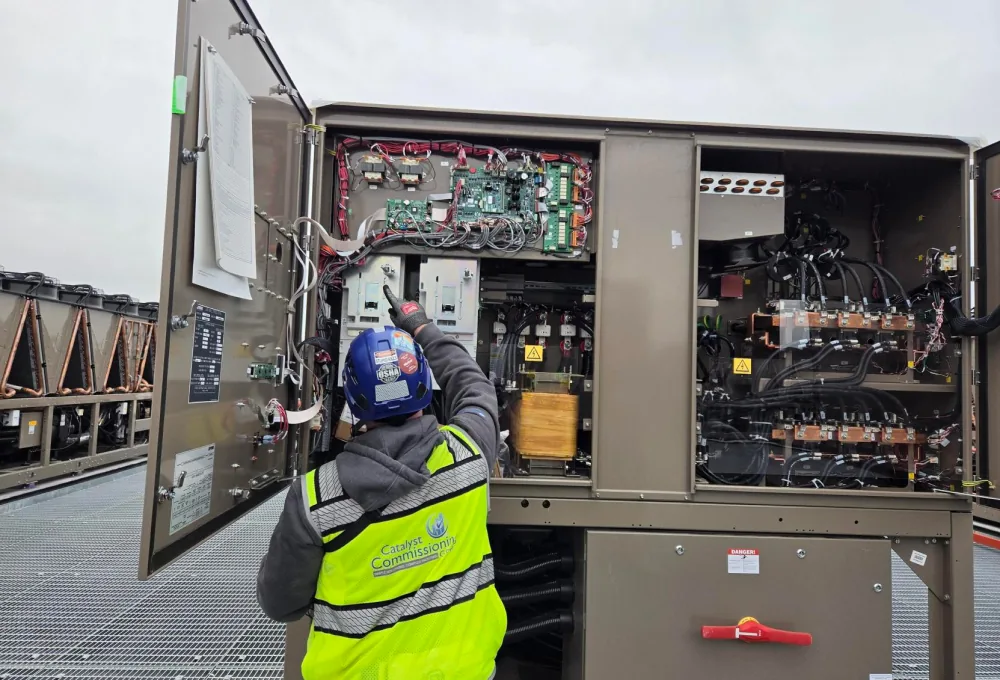
    Engineer testing an open rooftop electrical control panel
  6. Stage 6: Post-Turnover Support and Optimization

    True commissioning value appears as buildings become occupied. We remain to support the warranty phase and fine-tuning that ensures persistent performance.

    Learn More +: Stage 6: Post-Turnover Support and Optimization
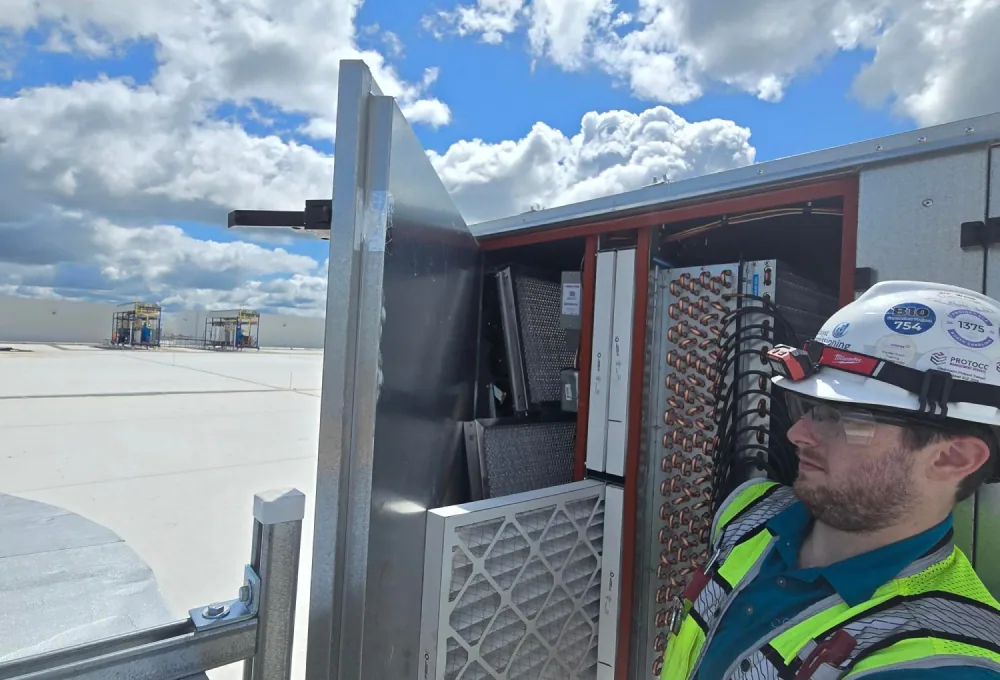
    Engineer checking rooftop mechanical equipment after building turnover

Stage 1: Establish Priorities and Alignment

Every project begins by understanding what success means to each stakeholder, then facilitating alignment toward compatible goals.

Owner performance requirements. Contractor schedule and budget constraints. Designer intent. Operator capabilities. Tenant needs. Developer ROI objectives.

We facilitate alignment, ensuring everyone works toward compatible goals. Our experience serving all stakeholder types gives us unique insight into balancing competing priorities and finding solutions that create mutual success.

This initial alignment prevents miscommunication, scope gaps, and expectation mismatches that derail projects later. We ask hard questions early, clarify assumptions, document requirements, and ensure shared understanding before construction begins. We maintain this alignment at whichever phase of a project we are engaged.

Deliverable: Owner’s Project Requirements (OPR) document and stakeholder alignment confirmation. Review of procurement specifications for any early owner-furnished contractor-installed (OFCI) sourcing of project equipment.

Stage 2: Design Review and Optimization Opportunities

Comprehensive design reviews identify potential problems when corrections require only drawing revisions, not expensive field rework.

Unplanned and costly change orders during construction often stem from design issues that could have been identified earlier. Our comprehensive design reviews, informed by working knowledge of industry guidelines, equipment limitations, and understanding of constructability, help identify potential problems when solutions are straightforward.

We review:

  • Information flow and system integration strategies
  • Control sequences for practicality and energy efficiency
  • Equipment selections for performance, maintainability, and longevity
  • Spatial coordination and maintenance of accessibility
  • Owner requirement alignment
  • Constructability and installation logistics

Our goal: Contract documents that clearly convey scope and intent, leaving nothing subject to interpretation. We ensure owner needs are captured in designs and owners understand their facility’s capabilities, enabling seamless transition from construction to operations.

Deliverable: Design review reports at Design Development (DD), Construction Document (CD) phases, and final document phases with recommendations and owner/design team responses. This deliverable is adjusted for design-build, integrated project delivery, and energy conservation projects, where project documentation and delivery requirements may differ from traditional design, bid, build projects.

Stage 3: Hands-On Field Presence

We're not desktop reviewers. We're in the field working alongside designers, manufacturers, fabricators, integrators, contractors, and operators at critical project stages.

Catalyst’s defining characteristic is our hands-on approach. We’re not remote consultants issuing reports from distant offices; we’re on-site during critical activities:

  • Construction observations at key installation milestones
  • Equipment startup witnessing manufacturer procedures
  • Pre-functional verification confirming readiness for testing
  • Integrated systems testing verifying cross-discipline coordination
  • Problem-solving sessions when technical challenges arise
  • Training observations ensuring operators receive quality instruction

This field presence serves multiple purposes:

  • Verifying installation quality in real-time
  • Catching problems immediately when corrections are simple
  • Building relationships and trust with site teams
  • Understanding actual site conditions, informing recommendations
  • Facilitating collaboration between trades and stakeholders

From simple assessments to comprehensive LEED Enhanced Commissioning, we have the team members and tools to integrate seamlessly into construction processes, working as partners, not policemen.

Stage 4: Quality Control Through Construction

Routine site visits and inspections focus on installation quality, construction schedule, with maintenance accessibility and long-term reliability in mind.

Our construction observations aren’t casual walk-throughs; they’re systematic quality verification with specific focus areas:

Installation Compliance:

  • Verify installation per manufacturer requirements and approved submittals
  • Confirm design document compliance
  • Identify specification deviations requiring correction
  • Document installation quality with photographic evidence

Maintainability Assessment:

  • Confirm equipment access for future maintenance
  • Verify clearances for serviceability
  • Identify potential operational and maintenance challenges
  • Recommend corrections before concealment

Critical Installation Stages:

  • Factory and/or Integrator Inspections and Testing
  • Protection of Materials and Equipment During Shipping, Storage, and Installation
  • Flushing, Cleaning, and Passivation
  • Duct and Pipe Pressure Testing and Balancing
  • Control panel installation, wiring, and point-to-point verification
  • Building Envelope Critical Transitions
  • Fire Alarm & Smoke Control System Integration
  • Toxic Gas and/or Life Safety Monitoring System Integration
  • Equipment Startup, Load Testing, and Initial Operation
  • Pre-Functional Testing

Equipment that cannot be accessed cannot be properly maintained, resulting in decreased performance and premature failure. Our construction observations prevent these problems before they’re built into facilities.

We work collaboratively with contractors, witnessing selected equipment startups, reviewing test data, and ensuring quality control processes are established early and maintained through completion.

Stage 5: Comprehensive Functional Testing

The heart of commissioning. Systematic verification that equipment and systems perform as designed under all operating conditions.

Functional testing is where commissioning proves its value. We don’t just verify equipment turns on, we test every critical function under multiple operating scenarios:

Our Testing Methodology:

Equipment-Level Testing First: Individual equipment functional performance tests verify proper operation, safety controls, capacity, efficiency, and sequence execution before system integration. Whatever testing that could not be performed at the factory or the off-site integrator is now executed. In certain circumstances, the owner requires some minor overlap in testing for equipment that was tested off-site with temporary utilities that may have limited the equipment’s ability to fully demonstrate performance.

System Integration Testing: Multiple pieces of equipment working together; air handling units with terminal boxes, chillers with towers and pumps, fire alarm with smoke control; cooling distribution units with Technical Cooling Systems and IT Racks, all tested as integrated systems.

Cross-Discipline Integration: Systems crossing trades must work in unison. Example: Smoke control systems may involve a fire alarm (electrical contractor), a building management system (controls contractor), and fire/smoke dampers (mechanical contractor). Our testing verifies complete integration, ensuring life safety.

Multiple Operating Conditions: Systems are tested under a design day, part load, minimum load, emergency, failure mode, and transition conditions; not just single-point verification.

Who’s Involved: We work simultaneously with contractors (executing tests), vendors (providing technical support), operators (learning systems), and end-users (confirming performance meets needs). System operation is documented, conveyed, and understood for building lifecycle management.

As construction shifts toward owner acceptance, our testing intensity increases, demonstrating systems meet performance criteria and are ready for productive operation.

Deliverable: Functional test procedures, test reports with data logs, deficiency tracking, effective reporting, timely resolution, and final verification documentation

Stage 6: Post-Turnover Support and Optimization

True commissioning value appears as buildings become occupied. We remain to support the warranty phase and fine-tuning that ensures persistent performance.

The true test of commissioning occurs as buildings transition from construction to operations. During this critical period:

System Interactions Emerge: MEP systems interact in ways not apparent during construction-phase testing. Simultaneous heating/cooling, control conflicts, and operational inefficiencies surface under real-world conditions.

Fine-Tuning Is Essential: Temperature setpoints, control sequences, scheduling, alarm thresholds, and alarm response require adjustment based on actual occupancy patterns, use, and facility staffing.

We Listen and Respond: Operators and occupants provide critical input. We investigate complaints, analyze trends, distinguish legitimate issues from unrealistic expectations, and recommend appropriate solutions.

Warranty Phase Support: Inevitable minor issues arising in new facilities require investigation. We:

  • Identify root causes of equipment problems
  • Distinguish contractor responsibility from operational issues
  • Recommend appropriate corrective actions
  • Verify fixes restore proper performance
  • Document issues supporting warranty claims

This support protects owner interests while maintaining constructive contractor relationships. We’re not adversarial but objective and fair.

Beyond Initial Commissioning: For clients pursuing ongoing performance excellence, we provide:

  • Continuous commissioning programs
  • Monitoring-based commissioning (MBCx)
  • Retro-commissioning services
  • Energy optimization programs
  • Operator training refreshers
  • Alarm rationalization
  • Repair scope review and follow-up re-testing

These services ensure initial capital and commissioning investments persist throughout the building’s life, preventing significant performance degradation typical in non-commissioned buildings within 3-5 years.

Deliverable: Post-occupancy reports, seasonal testing results, warranty issue tracking, optimization recommendations

Their technical acumen coupled with their understanding of scheduling and commissioning was displayed in everything that was asked of them. These projects faced numerous challenges, issues and unexpected results. The main difference between complete chaos and organized results was having Catalyst as part of the team to engage and drive through any/all challenges presented to them for consistent and predictable results.

—Anthony J. Terilli, Vice President, The Whiting-Turner Contracting Company